
Most visitors to Barcelona come in summer — and most of them spend a significant part of that visit queuing, sweating, and paying peak-season prices for everything. January is the opposite in almost every way. The city is quieter, the light is softer, the temperatures are mild enough to spend most of the day outdoors, and the places that would otherwise require booking weeks in advance are simply open. Barcelona in January rewards the visitor who plans a little and expects a lot.
Weather in Barcelona in January
Barcelona's January is nothing like January in northern Europe. Average daytime temperatures sit around 16°C (61°F) — warm enough for a light jacket in the afternoon, cool enough to walk comfortably for hours without overheating. Nights drop to around 10°C (50°F), which calls for something warmer if you're planning dinner on a terrace. The city gets an average of 8 hours of sunshine per day in January, with roughly 14 sunny days and only 5 rainy ones across the month.
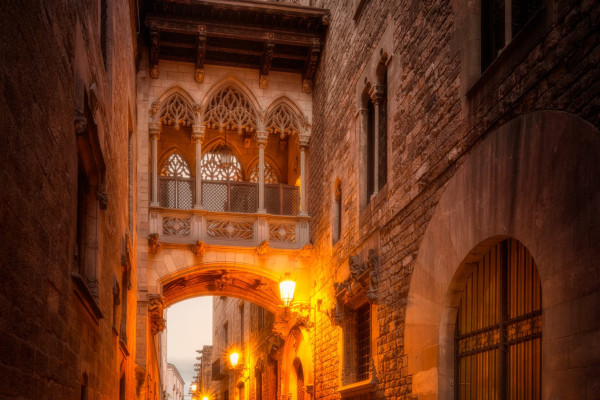
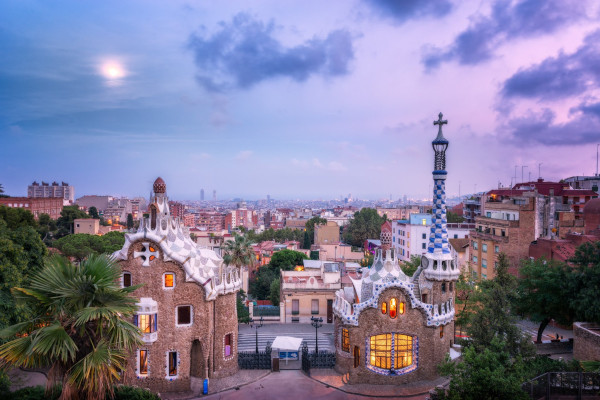
In practical terms: you can spend full days on foot — through the Gothic Quarter, along the waterfront, up to Park Güell — without the heat that makes summer walking a test of endurance. The light in January is particularly good for photography: lower in the sky, warmer in tone, and falling across the city's facades at angles that simply don't exist in July.
What to pack for Barcelona in January:
A light jacket for daytime · A proper coat for evenings · Comfortable walking shoes · One layer you can shed indoors — the city heats up quickly after noon
Sagrada Família Without the Queues
Gaudí's Sagrada Família receives nearly 4.7 million visitors a year. In July, that means timed-entry slots selling out days in advance and a queue at the entrance even with a ticket. In January, the experience is measurably different. You can stand in the nave and look up at the forest of branching stone columns without someone's shoulder in your face. You can find a spot in front of the stained-glass windows — the eastern wall in amber and gold, the western wall in cool blues and greens — and let the light do what it's supposed to do.
The basilica's three facades reward close attention: the Nativity Façade on the east side, richly carved and completed in Gaudí's lifetime; the stark, angular Passion Façade on the west; and the Glory Façade, still under construction on the south. The crypt beneath the main floor is where Gaudí himself is buried. In winter, with space around you, all of this is accessible in the way it was designed to be seen — slowly, at your own pace, without the pressure of the crowd moving you along.
Book tickets online in advance regardless of the month; the entrance queue without a ticket is avoidable and serves no purpose. But in January, you will not be competing with summer numbers for the slots.
Rebajas — The January Sales
Every year on or around 7 January, Barcelona's shops launch the rebajas de invierno — the winter sales — and they run through the entire month. This is not a one-day event or a marketing construct: it is a city-wide sale season with genuine discounts across clothing, footwear, cosmetics, electronics and homeware.
The Passeig de Gràcia, Barcelona's main luxury shopping boulevard, sees its full range of Spanish and international brands — Zara, Mango, Massimo Dutti and the international houses alongside them — offering reductions of 30–70% on winter stock. The streets of the Gothic Quarter and El Born have independent boutiques selling Catalan and Spanish designers at sale prices. The Eixample grid is lined with mid-range shops doing the same.
If you were planning to buy anything — clothes, leather goods, shoes, linen — January in Barcelona is the month to do it. The selection at the start of the sales period (first two weeks of January) is the best; by late January the most popular sizes and styles are gone.
Two Festivals You Won't See Anywhere Else
January brings two events that are distinctly Catalan and worth understanding before you arrive.
Cavalcada de Reis — 5 January. In Catalonia, as across Spain, children receive their Christmas gifts not from Father Christmas but from the Three Kings (Els Reis Mags), who arrive on the night of 5–6 January. The Cavalcada de Reis is the parade that marks their arrival: a procession of elaborately decorated floats and costumed figures moving through the city centre after dark, with the Kings' attendants throwing sweets into the crowd as they pass. It is loud, colourful, and deeply local. If you are in Barcelona on the evening of 5 January, it is worth being on the route.
Festa dels Tres Tombs — 17 January. The feast of Sant Antoni Abat — Saint Anthony the Abbot, patron of animals — is marked in the Sant Antoni neighbourhood with a procession of horse-drawn carriages making three circuits (tres tombs) through the medieval streets. It is quieter and more elegant than the Cavalcada: horses in harness, riders in traditional dress, the rhythm of hooves on stone. A Barcelona tradition that has been running for centuries and has no equivalent elsewhere.
Ski Trips from Barcelona
One of January's practical advantages is that the Pyrenean ski resorts are at their best while Barcelona is enjoying its mild winter. The mountains are a two-to-three hour drive from the city, which makes a day trip or overnight stay straightforward. The main options:
- La Molina and Masella — connected by a shared lift pass (the Alp 2500 domain), closest major resorts to Barcelona, around 2 hours by road
- Grandvalira, Andorra — largest ski area in the Pyrenees, duty-free shopping alongside the slopes, about 3 hours from Barcelona
- Font Romeu, France — across the border in the French Pyrenees, a different atmosphere and different terrain
The combination — a few days in the city, a day on the slopes — works particularly well in January, when both the ski season and the city are in good shape simultaneously.
What Else Is Open in January
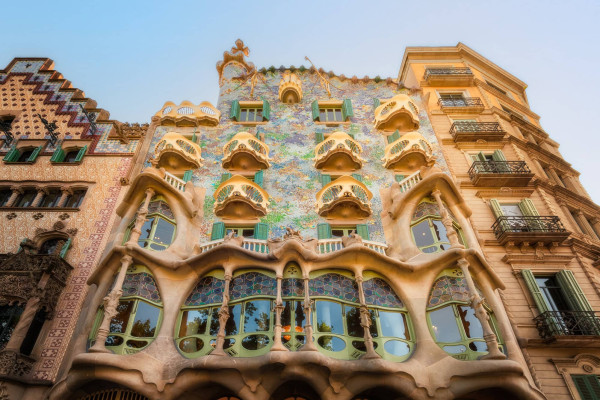
Barcelona's major attractions operate on normal schedules in January. The Museu Picasso in El Born, the Fundació Joan Miró on Montjuïc, the MNAC (the national art collection in the Palau Nacional), and the Casa Batlló and Casa Milà are all open with winter hours and no summer crowds. Park Güell's ticketed monumental zone is open; the surrounding park and viewpoints are free.
The waterfront — Barceloneta beach and the Port Olímpic — is perfectly pleasant for a January walk, even if swimming is not on the programme. The Boqueria market runs on its normal schedule (closed Sundays), as do the neighbourhood food markets across the city.
Hotels in January. Prices are at their lowest of the year outside of the New Year period itself. A room that costs €200–300 in August may cost €80–120 in mid-January. Use the flexibility — stay somewhere you wouldn't otherwise be able to afford, or simply stay longer for the same budget.
Restaurants. No summer queues, full menus, attentive service. January is the month when Barcelona's restaurants are at their most accessible. Book for special meals, but most places can accommodate you with a day's notice or less.
Transport. The metro, FGC trains and airport buses run on normal schedules. If you plan to travel to the Pyrenees or to Montserrat, renting a car for a day is the most flexible option.
Frequently Asked Questions
Is Barcelona worth visiting in January?
Yes — genuinely one of the best months. Fewer crowds than any other season, good weather for walking, the January sales running through the month, and two local festivals that most visitors never see. Hotels and flights are at annual lows outside New Year's.
What is the weather like in Barcelona in January?
Mild and mostly sunny. Average daytime temperature around 16°C, dropping to about 10°C at night. Roughly 14 sunny days and 5 rainy days across the month, with 8 hours of daylight on average. A light jacket is enough during the day; bring something warmer for evenings.
When do the January sales start in Barcelona?
Around 7 January — the day after Three Kings Day (Epiphany). The sales run through the entire month across most shops in the city, with the best selection in the first two weeks.
What is the Cavalcada de Reis?
The Three Kings Parade, held on the evening of 5 January. A procession of floats and costumed figures representing the Three Kings moves through the city centre, with sweets thrown into the crowd. One of the most important events in the Catalan calendar.
Can you ski from Barcelona in January?
Yes. The Pyrenean ski resorts are 2–3 hours from Barcelona by road and are fully operational in January. La Molina, Masella, and Grandvalira in Andorra are the most popular options for a day trip or overnight.
Is Sagrada Família less crowded in January?
Noticeably so. January is one of the quietest months for the basilica. Book timed-entry tickets online in advance — this is always worth doing — but you will find far more space to move and look than in any summer month.