
Prague is one of the most visited cities in Europe — and for good reason. But first-time visitors often waste precious hours on things that could easily be avoided, or miss the details that make the difference between a good trip and a great one. This guide covers everything you need to know before you arrive.
When to Visit Prague
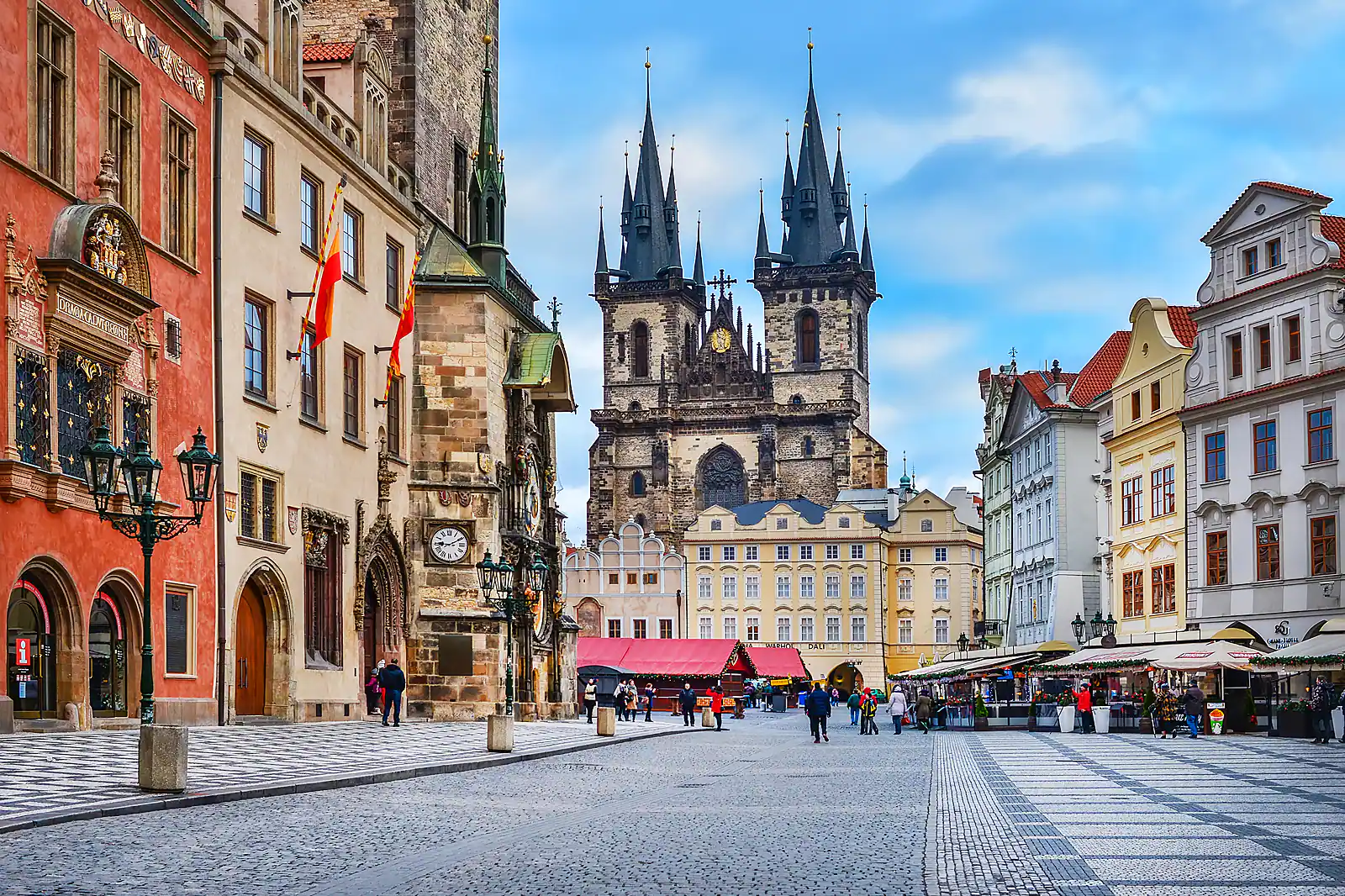
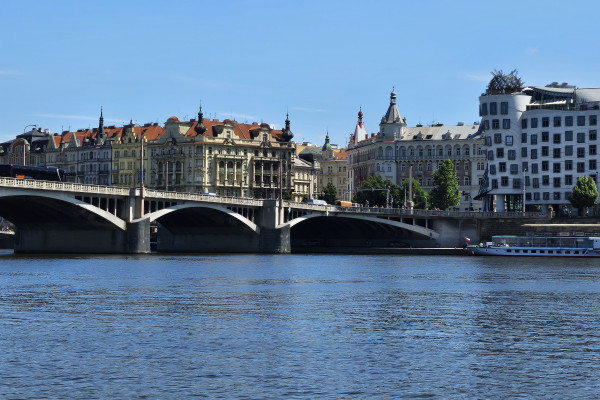
Prague is beautiful in every season, but timing matters. May, June and September are the sweet spots: warm weather, long days, and crowds that are manageable. July and August are peak tourist season — the Old Town Square gets genuinely overwhelming on summer afternoons.
Winter (December–February) is underrated. The Christmas markets in December are magical, prices drop significantly, and the city feels more like it belongs to its residents. There is almost no snow, but the cold is real — pack accordingly.
Christmas markets run from around 20 November to 24 December — the main ones are on Old Town Square and Wenceslas Square. Plan to arrive before Christmas Eve: on the morning of 25 December, everything is already packed up and gone.
March and April are good for budget travellers. Easter weekend is busy but the rest of spring is quiet and pleasant.
- Avoid Old Town Square between 11am and 3pm in summer. That's when four or five tour groups arrive simultaneously for the Astronomical Clock show. The clock strikes every hour — go at 9am or 10am and you'll see the same show with half the people.
- Prague Castle is least crowded on Tuesday and Wednesday mornings. Weekends are extremely busy. If you're visiting the Castle, aim to be at the gates before 9am.
Getting Around Prague
Prague's public transport is excellent — and very cheap by Western European standards. The metro, trams and buses all run on the same ticket. A 90-minute ticket costs around 40 CZK (about €1.60) and covers unlimited transfers.
Trams are the best way to see the city. Line 22 passes through Malá Strana, past the Castle gardens and into Vinohrady — it's one of the most scenic tram routes in Europe. Take it just for the view.
Uber and Bolt work well in Prague and are significantly cheaper than traditional taxis. If you do take a taxi, always ask for the price upfront or use the meter — unlicensed drivers near tourist areas are notorious for overcharging.
- Always validate your ticket. Paper tickets with a yellow arrow must be stamped in the yellow validation machine when you board a tram or enter the metro. An unvalidated ticket is treated as no ticket — inspectors check regularly and fines are immediate. Monthly passes and app tickets do not need stamping.
Prague Castle: What You Need to Know
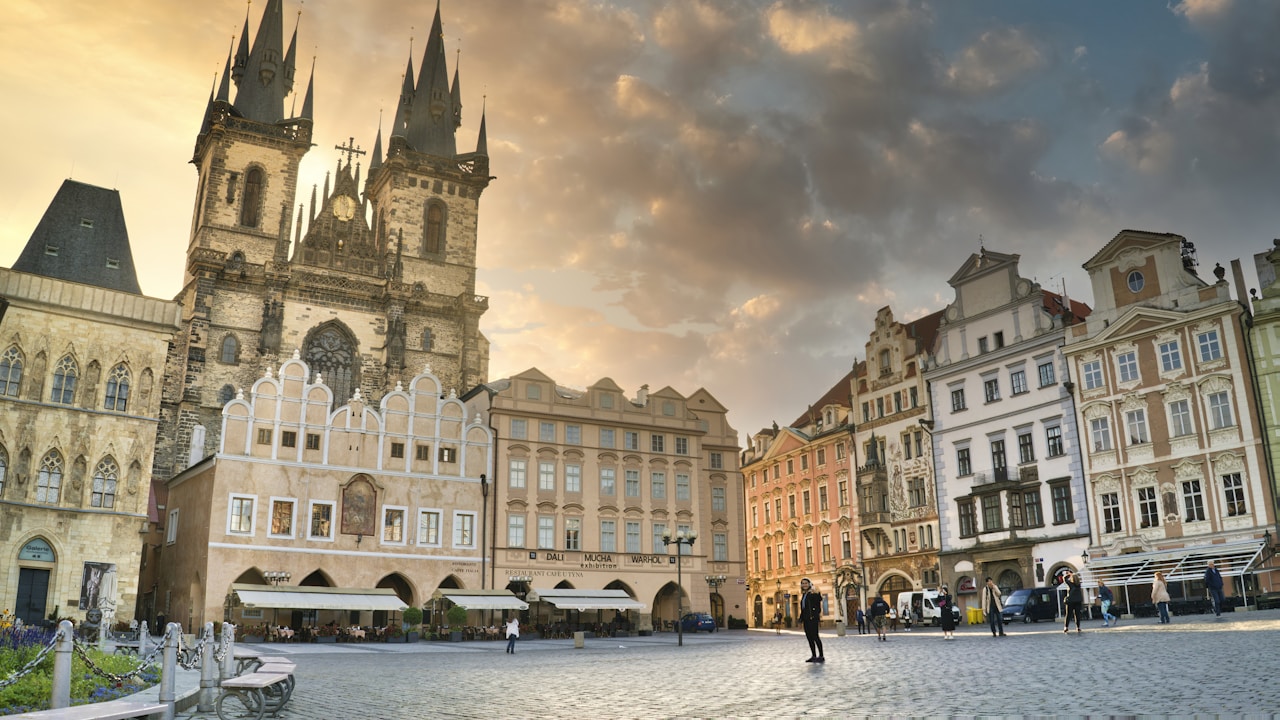
Prague Castle is the largest ancient castle complex in the world — over 70,000 square metres. Most visitors walk up, take a few photos of the cathedral exterior and leave. That's a mistake.
The Circuit B ticket (about 300 CZK) covers four sites: St. Vitus Cathedral, the Old Royal Palace, St. George's Basilica and Golden Lane. That's the right combination for most visitors — plan for 3–4 hours minimum.
- Don't lose your ticket. The Castle uses a single ticket for multiple sites — lose it and you'll need to buy again.
- The free toilet is just inside the main gate on the left. After that, facilities are paid.
- The Castle grounds are free. Only the interiors (Cathedral, Royal Palace, Golden Lane) require a ticket. Walking through the courtyards and enjoying the views over Prague costs nothing.
- Skip the tourist entrance on Hradčanské náměstí if it's busy — take tram 22 to Pražský hrad stop and enter from the north gate with far fewer people.
- On Sundays, St. Vitus Cathedral is closed to tourists until 12:00 noon due to church services. Plan your Castle visit accordingly — explore the courtyards and Golden Lane first, and enter the Cathedral after midday.
Money, Cards and Tipping
The Czech Republic uses the Czech Crown (CZK), not the Euro. As of 2026, roughly 25 CZK = €1. Always pay in Czech Crown — businesses that offer to charge you in euros or dollars are using a poor exchange rate.
Card payments are widely accepted in restaurants, hotels and shops. However, some market stalls, local pubs and smaller shops are cash only — keep a few hundred CZK on hand.
ATMs: Use bank ATMs (Česká spořitelna, ČSOB, Komerční banka) rather than the standalone currency exchange machines near tourist areas. Avoid any ATM that offers to "convert to your home currency" — always choose to pay in Czech Crown.
Tipping: 10% is standard in restaurants. It's common to round up the bill rather than leave coins on the table — just tell the server "keep the change" when you pay.
What to Eat and Drink
Czech food is hearty and underrated. The classic dishes worth trying:
- Svíčková — beef sirloin in cream sauce with bread dumplings. The national comfort food.
- Guláš — Czech goulash is thicker and beefier than its Hungarian cousin.
- Trdelník — the spiral pastry sold everywhere in tourist areas. Delicious but not actually traditional Czech food — it's a Slovak-Hungarian import that became a Prague tourist staple.
- Czech beer — Prague is one of the best cities in the world to drink beer. Pilsner Urquell, Kozel, Bernard. A half-litre in a local pub costs 50–70 CZK (about €2).
- Never eat directly on Old Town Square or Charles Bridge. You'll pay triple for average food. Walk two streets in any direction and prices drop immediately — and quality goes up.
- Avoid restaurants with photos on the menu and a host outside trying to pull you in. These are tourist traps. Find a place where the menu is in Czech first and English second.
- Žižkov and Vinohrady are the best neighbourhoods for local food and authentic atmosphere — 15 minutes from the centre by tram.
Charles Bridge: Tips for Visiting
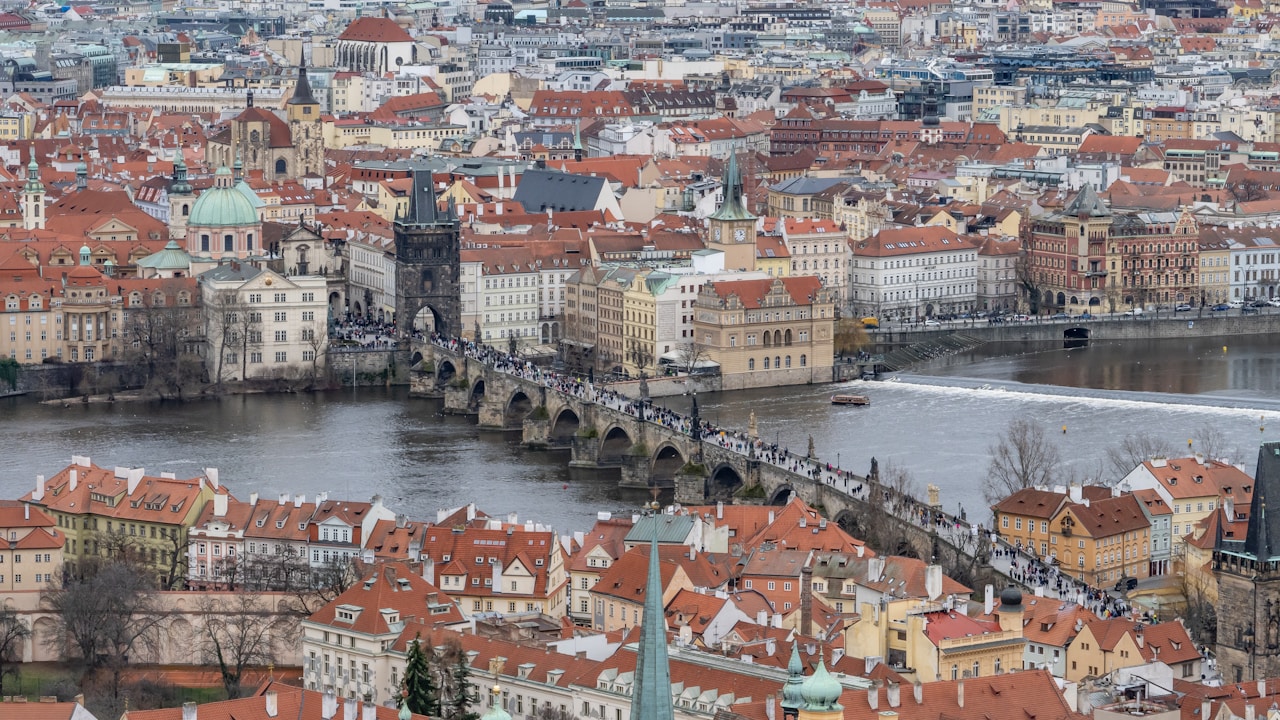
Charles Bridge is one of the most photographed spots in Europe. It's beautiful — but it's also packed with tourists from 10am to 8pm in summer. The trick is simple: go at sunrise. The bridge at 6am, with morning mist over the Vltava and almost nobody else there, is one of the best experiences Prague offers.
The 30 Baroque statues on the bridge are originals from the 17th and 18th centuries (most have been replaced with copies — the originals are in the National Museum). Each has a story. If you want to understand what you're looking at, a guided walk helps enormously.
Neighbourhoods Worth Exploring
Malá Strana (Lesser Town) — the hillside district below the Castle. Cobblestone streets, baroque churches, hidden gardens. Far less crowded than Old Town.
Vinohrady — the most liveable neighbourhood in Prague. Art Nouveau apartment buildings, independent cafés, restaurants that locals actually eat at. No tourist shops.
Žižkov — bohemian, slightly rough around the edges, excellent bars. The TV Tower with the crawling babies is here — worth seeing even if you don't go up.
Holešovice — former industrial district turned arts and design hub. The DOX Contemporary Art Centre, the Manifesto Market, good coffee.
How to See More of Prague (and Beyond)
If you want to understand Prague properly — its history, the stories behind the buildings, the things you won't find in a guidebook — a private walking tour is the most efficient way to spend your first morning. See our Prague Private Walking Tour for details.
For visitors who want to cover more ground or have limited mobility, a Prague Car Tour combines the main sights with viewpoints and neighbourhoods that are impractical to reach on foot.
And if you have more than two days, the day trips from Prague to Kutná Hora, Český Krumlov and Karlovy Vary are genuinely worth making — they show a completely different side of the Czech Republic.
Frequently Asked Questions
How many days do you need in Prague?
Three days is the minimum to see Prague properly — Old Town and Jewish Quarter on day one, Prague Castle and Malá Strana on day two, and a day trip or neighbourhood exploration on day three. Two days is possible but rushed. See our Prague 2-day itinerary for a detailed plan.
Is Prague expensive?
Prague is significantly cheaper than Paris, London or Amsterdam — but more expensive than it used to be. Budget roughly €50–80 per person per day for accommodation, food and transport at a mid-range level. Accommodation is the main cost; food and transport remain good value.
Is Prague safe for tourists?
Prague is very safe by European standards. Violent crime against tourists is extremely rare. The main risk is petty theft (pickpockets) in crowded areas like Charles Bridge and the Old Town Square metro station. Keep your bag in front of you in crowds and you'll have no problems.
Do people speak English in Prague?
Yes — English is widely spoken in hotels, restaurants and tourist areas. Younger Czechs almost universally speak English. In local pubs and neighbourhood shops away from the centre, you may encounter less English but gestures and Google Translate work fine.
What is the currency in Prague?
The Czech Crown (CZK). The Czech Republic is an EU member but has not adopted the Euro. Some tourist businesses accept euros but at poor rates — always pay in Czech Crown. Use bank ATMs for cash and avoid exchange booths on tourist streets.
When is the best time to visit Prague?
May, June and September offer the best balance of good weather and manageable crowds. December is excellent for the Christmas markets. July and August are the busiest months — beautiful but crowded, especially in the Old Town.